
How to Start a Wellness Garden: A Beginner's Guide to Mindful Gardening for Stress Relief
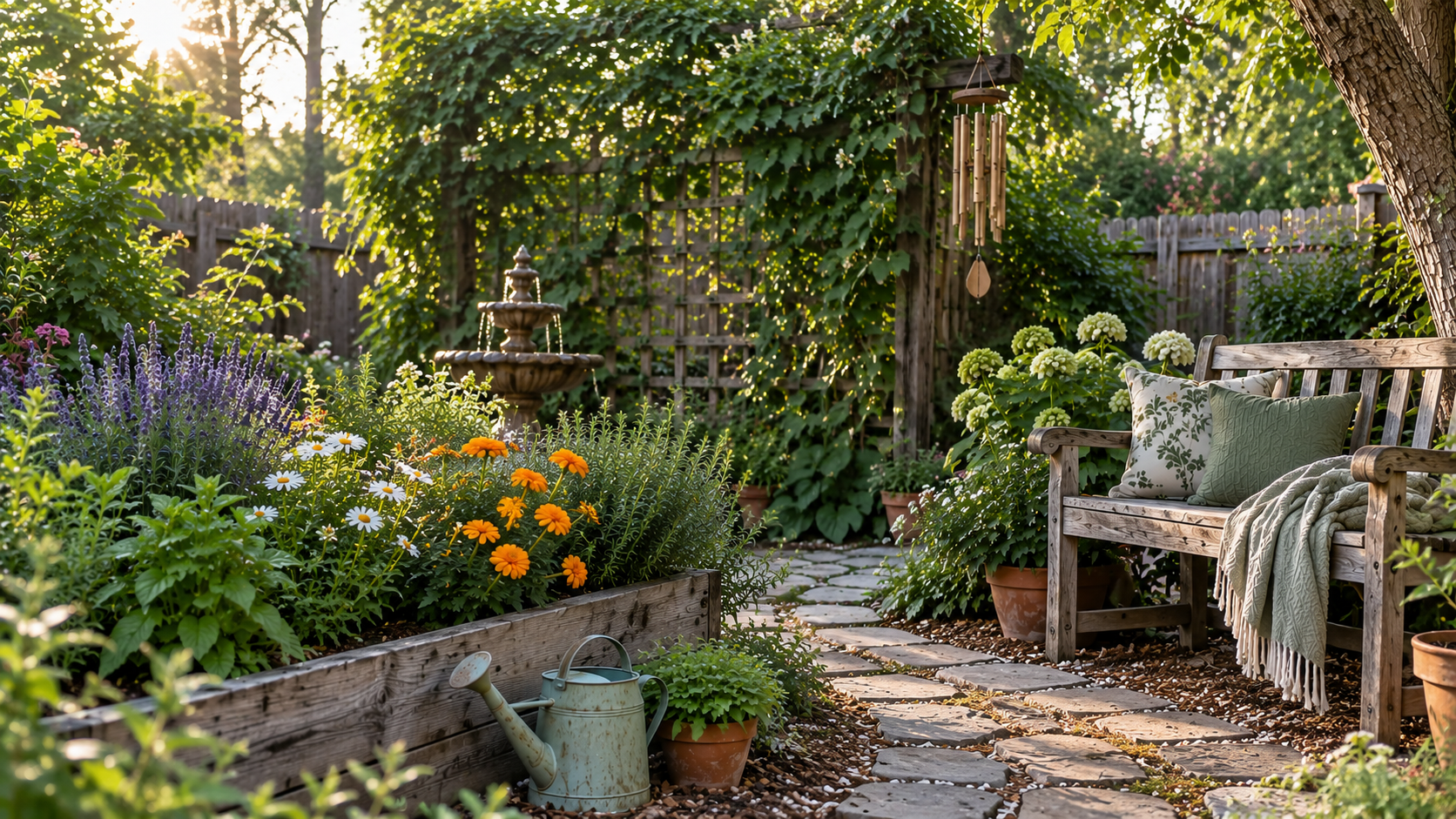
How to Start a Wellness Garden: A Beginner's Guide to Mindful Gardening for Stress Relief
1. Introduction
If you've been craving a slower pace and a way back to yourself, a wellness garden might be exactly what you're looking for. A wellness garden is simply a growing space — a few pots on a patio, a raised bed, or a full backyard plot — planted with intention, where flowers, herbs, and vegetables come together to support both body and spirit. Unlike a garden grown purely for yield, a wellness garden is designed around how it makes you feel while you tend it.
This is where mindful gardening comes in. When you slow down enough to notice the texture of soil, the smell of crushed basil, or the way morning light moves across new growth, you're practicing presence — one of the simplest forms of stress relief available. Psychiatrist and author Sue Stuart-Smith puts it simply: "When we work with nature outside us, we work with nature inside us." A home garden for stress relief doesn't require acreage or expertise. It requires only a willingness to show up, dig in, and let the process teach you something new each season.
2. Benefits of a Wellness Garden
A wellness garden offers far more than fresh herbs on your windowsill. Here are five specific benefits worth knowing:
Reduced stress response — Time spent among plants has been linked to lower reported stress levels, largely because gardening pulls attention into the present moment.
Gentle physical movement — Digging, weeding, and watering are low-impact ways to move your body regularly without stepping into a gym.
A sense of accomplishment — Watching a seed become a harvest builds quiet confidence that carries into other areas of life.
Connection to natural rhythms — Following the seasons instead of a hustle-driven calendar helps recalibrate your internal pace.
Sensory grounding — The scent of lemon balm, the feel of soil, and the sound of wind through leaves engage your senses in a way screens never will.
Together, these benefits are why so many women turn to a wellness garden when they're ready to trade burnout for something steadier.
3. Planning Your Garden
Before you buy a single seed packet, a little planning goes a long way toward a garden that actually thrives — and one you'll enjoy returning to. Use this checklist to get started:
Site Selection
Choose a spot that gets at least 6 hours of sunlight for vegetables and most flowering herbs; partial shade works for calming greens like mint and lemon balm.
Look for a location you'll walk past daily — visibility matters more than perfection when it comes to consistency.
Check for a nearby water source so watering doesn't become a chore you avoid.
Soil Preparation
Test your soil's pH and drainage before planting; most herbs and vegetables prefer slightly acidic, well-draining soil.
Loosen compacted soil and mix in compost or aged manure to build fertility naturally.
Remove rocks and debris, but leave earthworms and beneficial insects undisturbed — they're doing quiet work for you.
Design Principles
Start small. A 4x4 raised bed or a cluster of containers is easier to maintain than an ambitious plot.
Group plants with similar water and light needs together.
Leave room for a chair, bench, or stepping stone — a wellness garden should invite you to stay, not just to work.
A well-planned layout is one of the quiet foundations of mindful gardening, because it removes the friction that keeps beginners from showing up.
4. Plant Selection
The right plants make mindful gardening feel effortless. Here are six low-maintenance, aromatic, or calming options to start with:
Lavender — Drought-tolerant and fragrant; plant in full sun with well-draining soil, and trim after blooming to keep it full.
Lemon Balm — A hardy member of the mint family with a bright, citrusy scent; give it its own container so it doesn't spread into other beds.
Chamomile — Low-growing and gentle, with small daisy-like blooms; direct-sow in early spring and let it self-seed for next season.
Holy Basil (Tulsi) — Aromatic and easy for beginners; pinch back regularly to encourage bushy growth and prevent early flowering.
Marigold — Cheerful, pest-deterring, and nearly foolproof; plant alongside vegetables to support the whole bed.
Calendula — Bright, edible petals and a long bloom season; deadhead often to keep new flowers coming.
Horticulturist and author Charles Dowding often reminds gardeners that healthy soil does most of the work — choosing plants suited to your space and feeding the ground beneath them will get you further than chasing perfection. Mix these calming plants with a few vegetables, like cherry tomatoes or leafy greens, so your wellness garden nourishes both your senses and your table.
5. Garden Layout & Design
There's no single "right" way to lay out a wellness garden — the best design is the one that fits your space and invites you to linger. Raised beds are ideal for beginners because they offer better drainage, fewer weeds, and less strain on your back. If space is limited, a vertical garden — trellises, wall planters, or tiered shelving — lets you grow more in a small footprint, which works beautifully for patios or balconies.
Whatever layout you choose, consider carving out a small meditation or pause space within it: a single chair tucked beside the herbs, a flat stone to sit on, or a simple path wide enough to walk slowly. This doesn't need to be elaborate. The goal is to give yourself a reason to stop moving and simply be present among what you've grown. A wellness garden works best when it's designed for two purposes at once — growing plants and giving you somewhere to exhale.
6. Maintenance & Mindfulness Practices
Consistent, gentle care keeps a wellness garden thriving without becoming another item on your to-do list. Try this simple weekly rhythm:
Monday — Walk the garden slowly and simply observe; note what needs attention without acting yet.
Wednesday — Water deeply and remove any weeds, using the task as a chance to breathe and slow your thoughts.
Friday or weekend — Harvest what's ready and tidy spent blooms, taking a few minutes afterward to sit quietly among the plants.
As you work, try pairing tasks with a mindfulness practice: focus on the smell of turned soil while you weed, or take five slow breaths before you begin watering. Jon Kabat-Zinn, widely known for bringing mindfulness into modern wellness practice, describes it this way: "Mindfulness means paying attention in a particular way: on purpose, in the present moment, and non-judgmentally." Bringing that same attention to your garden turns routine maintenance into a steady, grounding practice you can return to all season long.
7. What I Know For Sure
Starting a wellness garden isn't about creating something perfect — it's about creating a space that asks you to slow down, notice, and reconnect. As gardener and broadcaster Monty Don has said, "Earth heals me better than any medicine." Whether you begin with one pot of lavender or a full raised bed of herbs and vegetables, every step you take toward mindful gardening is a step toward calmer, more grounded days.
Ready to begin? Pick one plant from this list, find it a sunny spot, and start there. I'd love to see what you're growing. And if you want more guidance as your garden grows, let me know your biggest gardening question. This is a community built for women who are ready to trade hustle for something rooted — and I'm glad you're here.
